Gemini 4 Neon Review: Five Artifacts Behind the “Gemini Is Back” Response
Official sources and first-hand reactions alongside our handheld teardown, animated underwater scene, working checklist, chart and vision task. Includes recordings, interactive samples and source files.
Updated: 2026-11-21
TOKRACE · 2026-11-21 · Official data and hands-on work
Neon completed all five tasks. Its 35 handheld parts match across assembled and exploded projects, the underwater laundromat stays animated, and the packing list works on desktop and mobile. Chart proportions are exact, and all five image differences were located.
The “Gemini 4 is back” response is gathering attention. Here we connect that sentiment to specific work: Google’s positioning and first-hand public tests, followed by the artifacts from our own run.
Meet Neon: reasoning depth and task completion
Google released Gemini 4 Neon on November 18 for software engineering, knowledge work and science. It sits between Hydrogen’s everyday execution and Carbon’s deeper reasoning. Google launch
| Item | Specification |
|---|---|
| API model ID | gemini-4-neon |
| Context | 1,048,576 tokens |
| Synchronous output limit | 65,536 tokens; long decode supports longer outputs |
| Standard input | $3 per million tokens |
| Cached input | $0.15 per million tokens |
| Output, including thinking | $15 per million tokens |
Sources: model documentation and Google Standard pricing, checked November 21, 2026.
Google’s examples: code that becomes a 3D scene
At launch, Google reported an Artificial Analysis Intelligence Index of 61 at xhigh and a Coding Agent Index of 58.6. Its demos include a Blender laboratory scene built through Antigravity and a WebGL2 ski simulator. Launch data and demos
Those examples share a requirement with our tasks: the result must open, run and withstand inspection. Google’s original table below retains its benchmark names and settings.
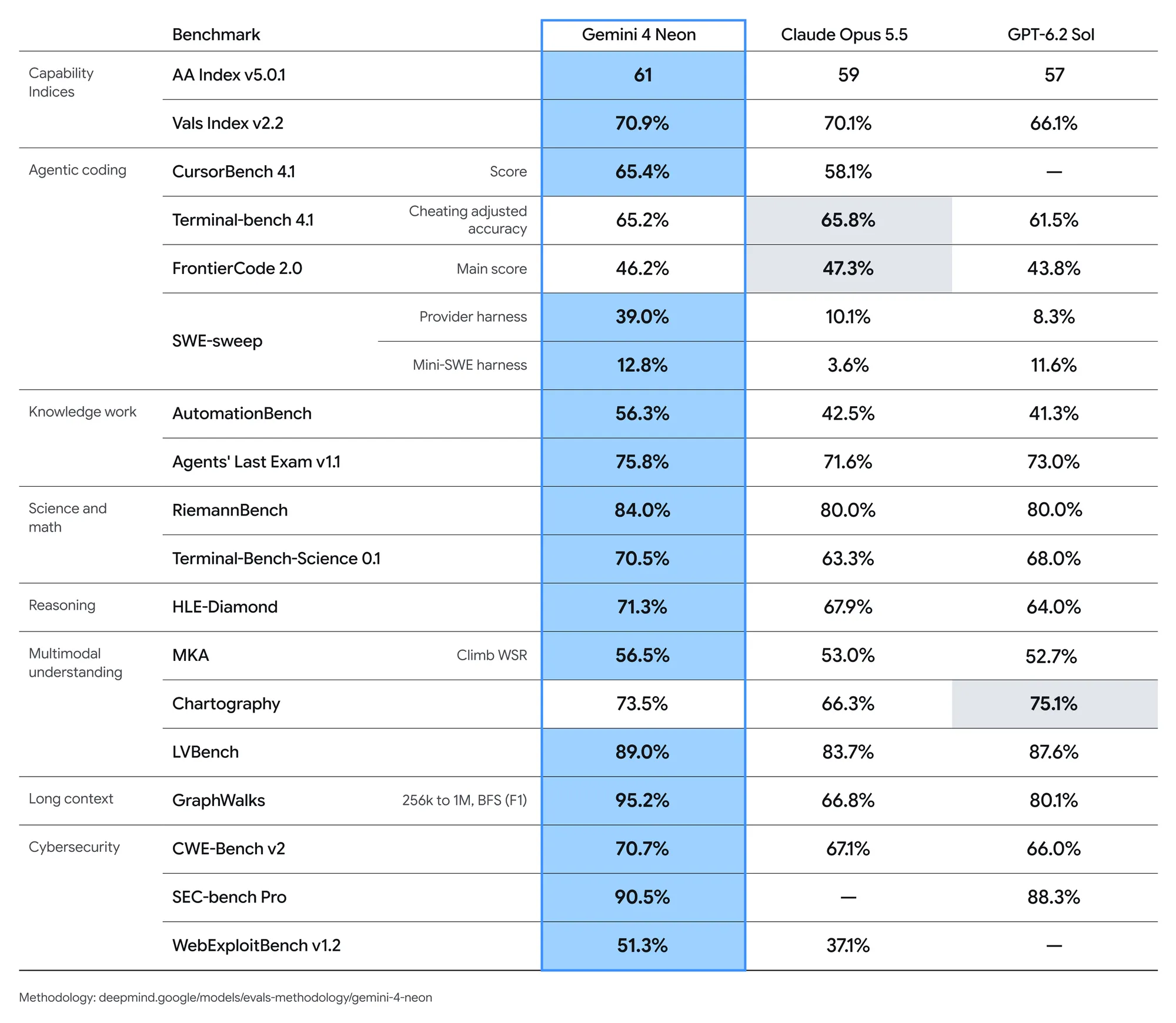
What is behind the “Gemini is back” response?
DataCamp’s Josef Waples provides a concrete example. Using the same tools, prompt and medium reasoning, he asked Neon and Carbon to build a self-playing chess page three times each. Neon delivered three working pages; Carbon delivered one, with two runs hitting the per-response output limit. The completed pages passed his chess.js move replay and ten special-position checks. DataCamp hands-on test
There is also a writing thread to the response. A Reddit user describing agency work said Neon made them consider moving some writing tasks from Claude. Their first-day impression centered on clear communication, selecting what matters and avoiding unnecessary explanation. Original post
Together, these accounts describe an experience: complex work reaches a finished artifact, and communication becomes easier to follow. Our five tasks focus on the former.
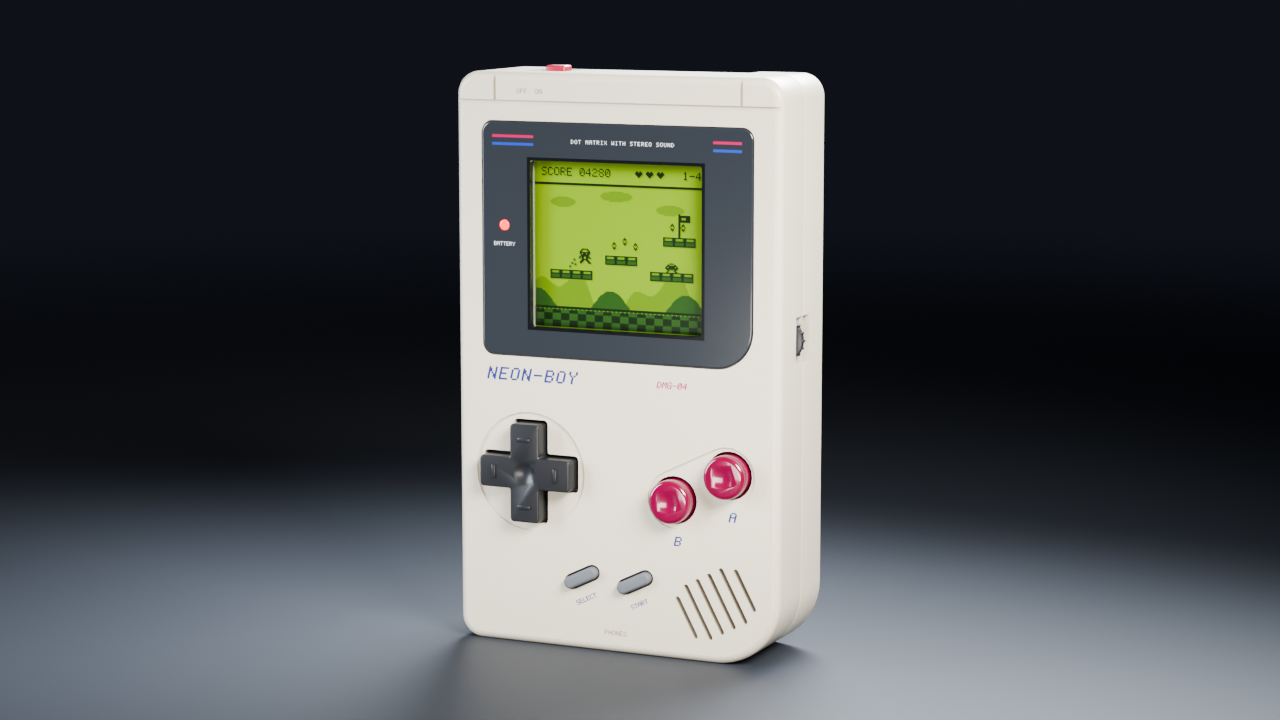
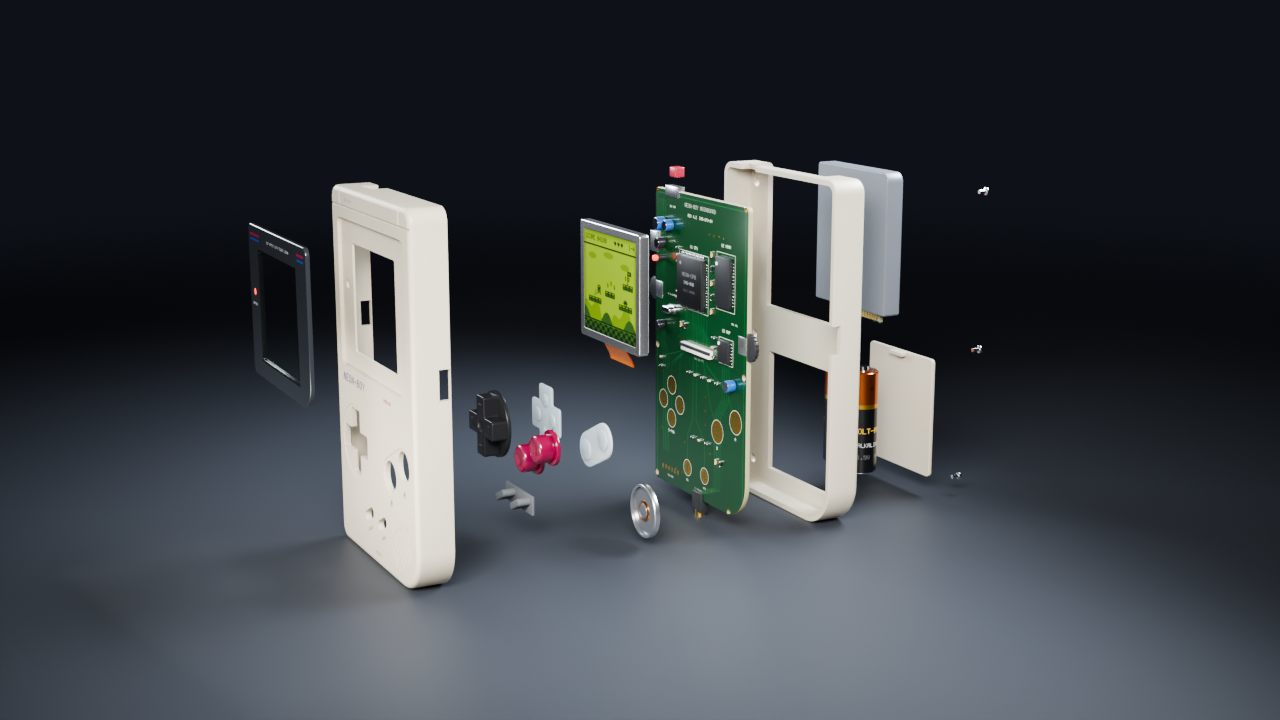
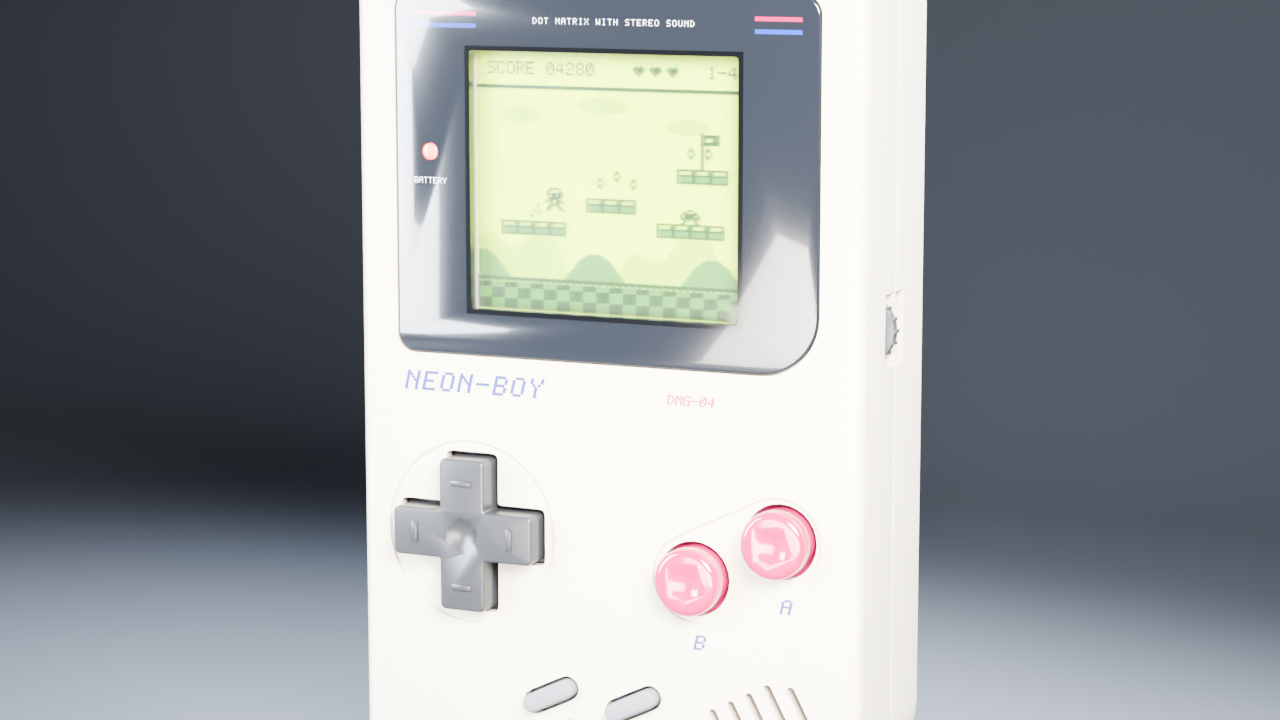
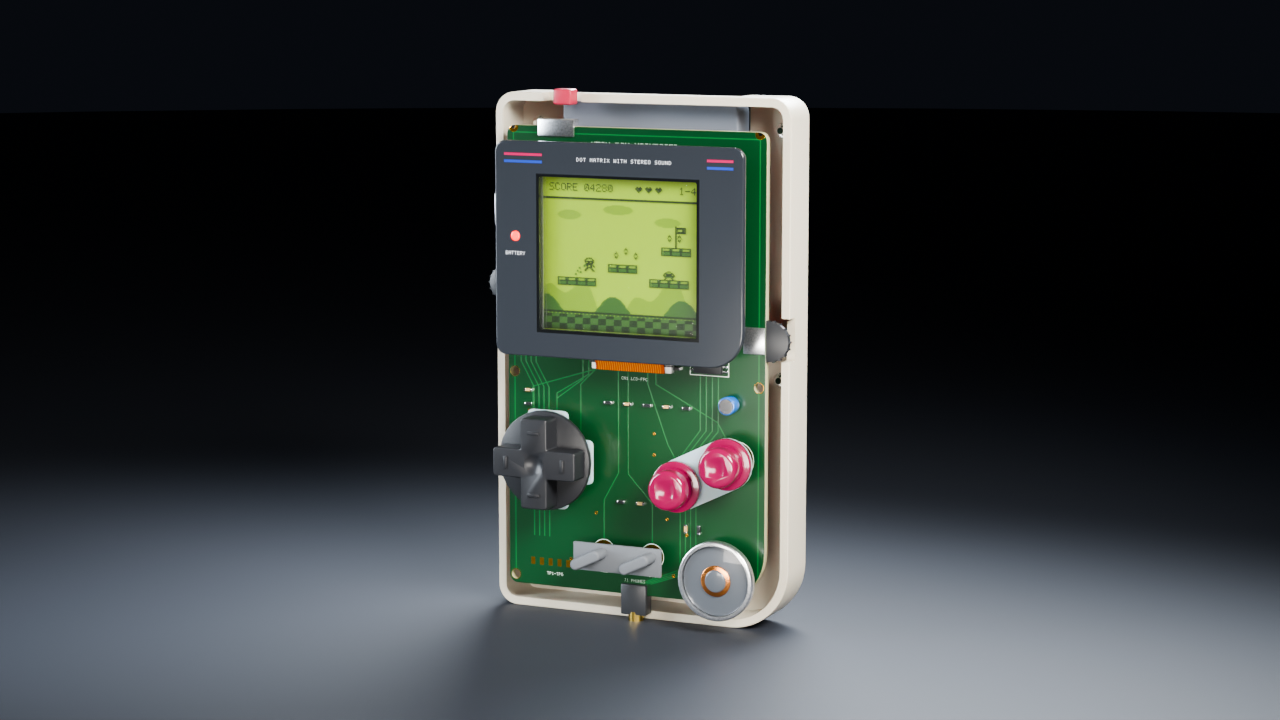
01 · Handheld: an assembled device and matching teardown
- Both Blender projects reopen, with matching names and local geometry across 35 subject meshes.
- The exploded view changes only X positions, preserving the other coordinates, rotations and scales.
- Both final 1280 × 720 renders frame the whole device. During its autonomous work, Neon corrected an early crop and a missing front shell; the intermediate renders remain available below.
02 · Underwater laundromat: a scene in motion
- Three washing machines, bilingual signage, fish, jellyfish and bubbles fill the scene, with continuous motion visible in the recording.
- Dragging changes the camera view. Fixed viewpoints, absolute time and sampling back to an earlier time all passed checks.
- The running scene and twelve-second recording were verified, including playback and seeking.
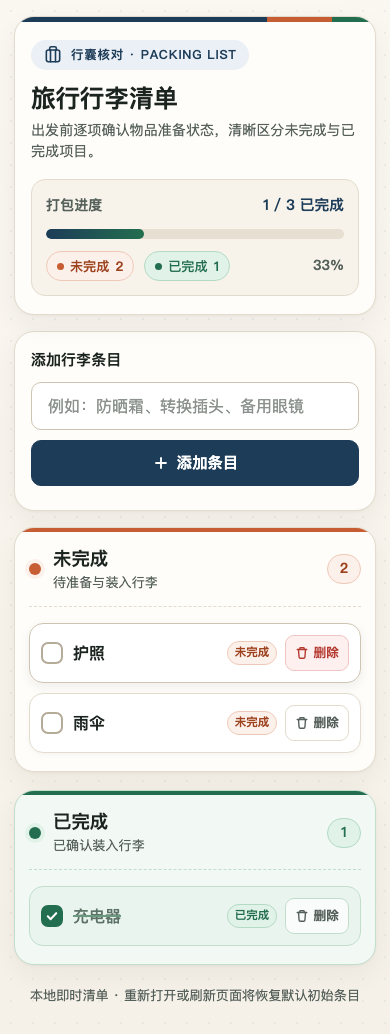
03 · Packing list: the controls work
- At desktop width 1440 and mobile width 390, adding, checking, unchecking and deleting a specific item all passed.
- Blank input creates no item. Reloading restores the three unchecked starting items: passport, charger and camera.
- Neither viewport overflowed horizontally. Completed and pending items have separate columns, with no captured runtime errors.

04 · Revenue chart: values and bar heights agree
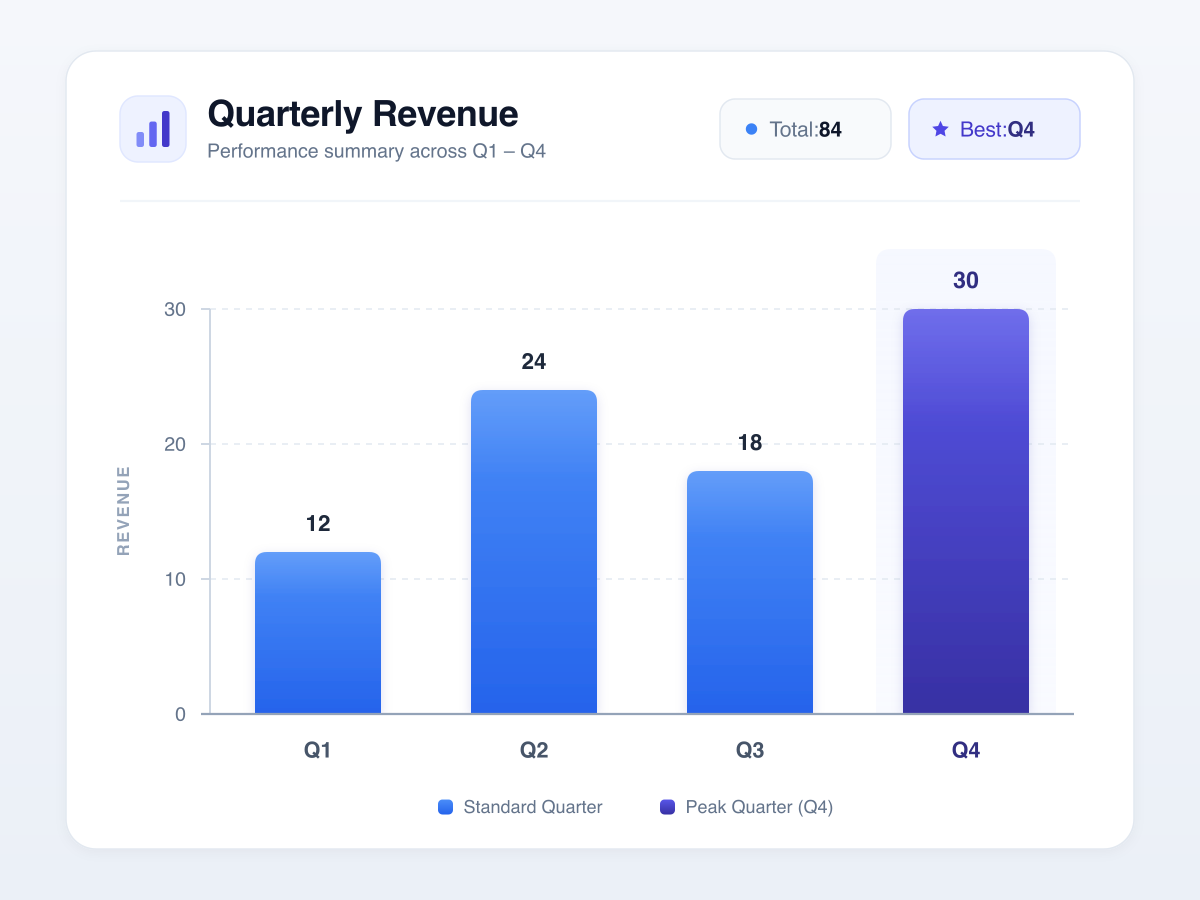
- Quarterly values are 12, 24, 18 and 30, totaling 84, with Q4 highest.
- All bars share a zero baseline. Heights of 108, 216, 162 and 270 pixels consistently represent nine pixels per unit.
- The original is a self-contained static 800 × 600 SVG with axis ticks, bar labels and summary labels.
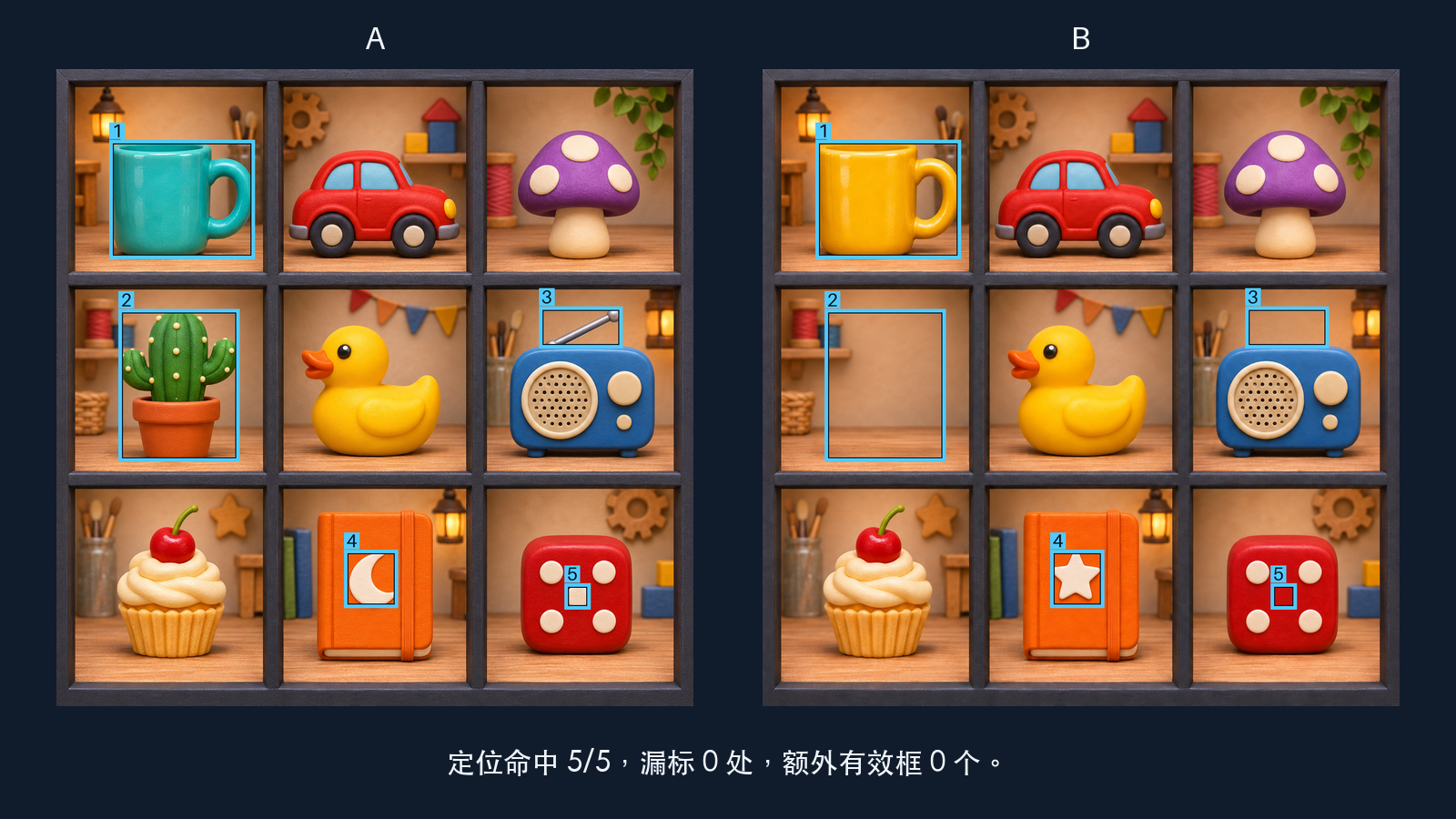
05 · Spot the difference: five locations and directions
- All five locations matched, with no missed differences and no extra valid boxes.
- All five boxes are valid and have complete change descriptions.
- The A-to-B directions match: mug color changes, cactus and antenna disappear, crescent becomes a star, and the die changes from five dots to four.
This round met expectations
After viewing the work, Xiao Yi’s feedback was: “The results look good overall and meet expectations.” That echoes the positive response around Gemini 4: users are putting it back into real tasks to see what it can deliver.
The artifacts make the outcome tangible. The handheld has matching assembled and exploded projects; the underwater scene runs; the checklist controls work; the chart and image-difference answer preserve their numerical and spatial details. Readers can inspect the images, play the recordings, operate the webpages and download the originals.
We ran gemini-4-neon through Google’s official API on November 20–21, 2026, using the frozen five-task creative-suite-v6 and default reasoning settings. Neon used shell and image-viewing tools to create, render and check its work autonomously. Its delivery was frozen before script checks, AI visual inspection and standardized recording.
Sources
Google: Gemini 4 Neon launch and official examples
Google: Gemini 4 Neon model documentation
DataCamp / Josef Waples: three self-playing chess builds
Reddit: an agency user’s first-day writing impressions
Task checks, recorded usage and original-file hashes · Gemini 4 Neon model page