GPT-6 Astra in Codex: Five Tasks, Five Working Artifacts
OpenAI’s BenchCAD and Terminal-Bench results alongside five real Astra artifacts: a handheld, underwater laundromat, checklist, chart and image differences, with recordings and source files.
Updated: 2026-11-17
TOKRACE · 2026-11-17 · Official data and hands-on work
Astra’s character in this run is clear: solid task completion, restrained interfaces and clean 3D presentation. We ran five tasks in Codex—a handheld teardown, underwater laundromat, travel checklist, SVG chart and image comparison—and received all five artifacts.
Detail makes the difference. Checklist controls work, chart proportions are exact and all five image changes are correct. The handheld and underwater scene read clearly, while internal detail, environmental depth and framing offer room to improve. Here are the official capabilities and the actual work side by side.
Official capabilities: coding, 3D and computer use
OpenAI positions Astra for demanding work. Its launch report gives two results relevant here:
| Official evaluation | GPT-6 Astra | GPT-5.6 Sol |
|---|---|---|
| BenchCAD geometric overlap | 95.9% | 83.3% |
| Terminal-Bench 4.0 | 57.9% | 37.3% |
BenchCAD reconstructs objects from multiple views; Terminal-Bench covers terminal engineering tasks. Figures use OpenAI’s published settings. Official examples include a Blender house transferred into Unreal Engine 5 for a walkthrough, and the Tidal Rush racing game.
The run and its score
Created on November 12, 2026, using gpt-6-astra in Codex at max reasoning effort, with Blender, Three.js and browser tools.
| Task | Score | Main observation |
|---|---|---|
| Handheld and teardown | 17/20 | Corresponding parts; simplified board detail |
| Underwater laundromat | 17/20 | Working 3D and animation; sparse environment |
| Travel checklist | 19/20 | Complete functions and clean presentation |
| SVG chart | 20/20 | Correct values, proportions and ticks |
| Image differences | 20/20 | Five correct locations and directions |
| Total | 93/100 | Reliable functions, detail to refine |
The Astra session assigned the scores using a 20-point rubric per task; the same session participated in creation and review. Scores describe the artifacts shown here.
Handheld: clean colors and a readable teardown
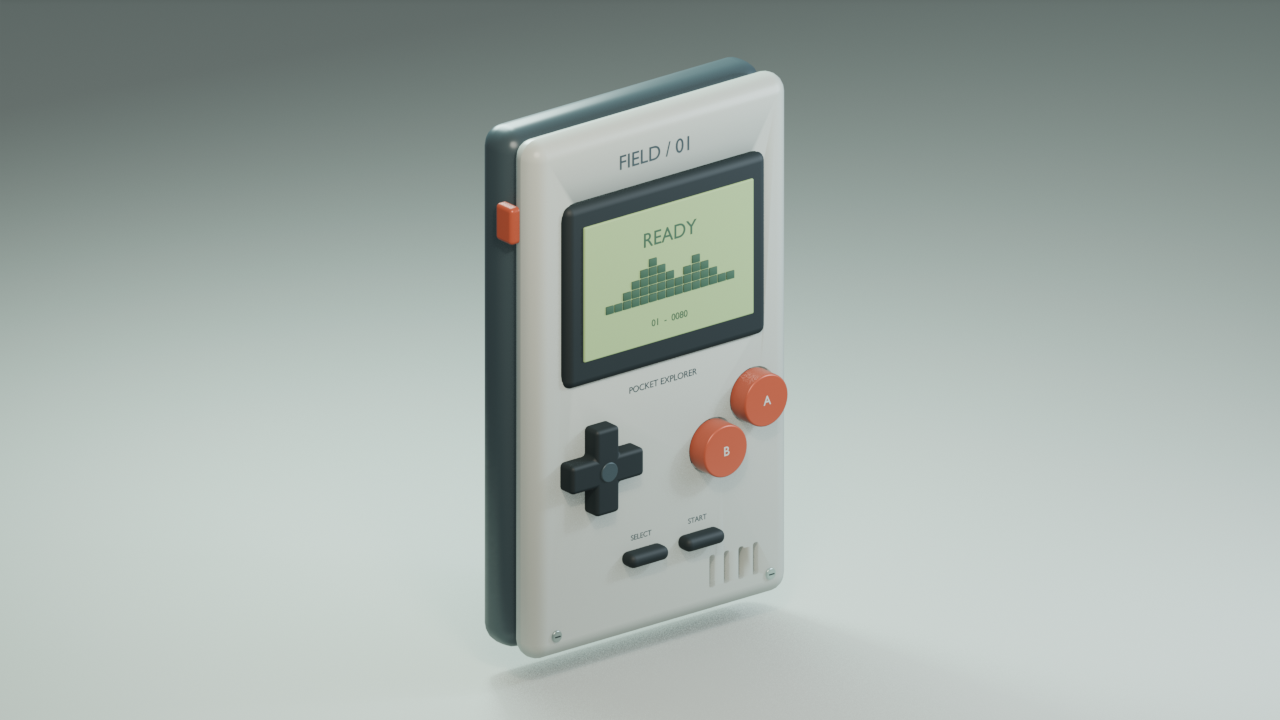
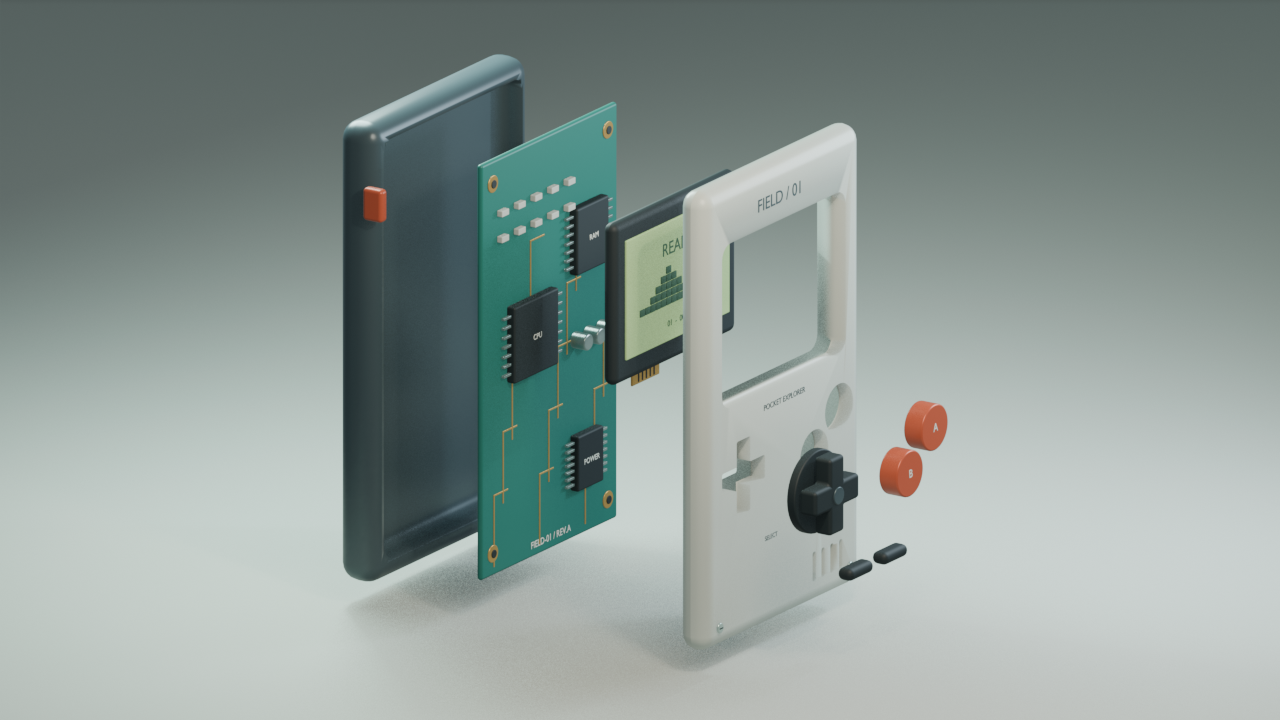
Astra named the device FIELD / 01. A pale shell, dark D-pad, orange A/B buttons and green pixel display form a coherent design. The assembled view is immediately recognizable; the exploded view separates the shells, board, display and controls along the device’s depth.
Corresponding parts retain their names, geometry and materials across both Blender files. Board traces and component placement are simplified, and the front shell partly obscures the display in the exploded camera view. The next useful refinements are richer internal structure and clearer separation in the composition.
Underwater laundromat: a moving miniature shop
Three washers sit beneath a striped canopy, pairing gold door rims with mint and coral housings. Two jellyfish float outside, bubbles rise and fish pass the storefront. The drums rotate, and dragging the camera reveals real depth.
This 12-second capture comes from Astra’s Three.js original. The shop reads like a tidy animated miniature, with a clear subject and coordinated colors. Ocean depth, rocks and coral are sparse, while a flat rear wall hides the interior from behind. More environmental detail would improve the underwater setting.
Travel checklist: all three actions work
The page is named “行前,” meaning before the trip. On desktop, an introduction sits beside the checklist; green and cream unify the heading, controls and progress indicator. It begins with exactly three unchecked items: passport, charger and camera.
We added an umbrella, checked and unchecked the charger, then deleted only the camera. Blank input adds nothing, reload restores the three defaults, and typed markup stays plain text. The actions work at 1440px desktop and 390px mobile widths.
The mobile headline occupies considerable space: the first checkbox starts about 605px from the top. Shortening the introduction would bring the useful controls forward, accounting for the one-point deduction.


Chart: polished presentation and correct proportions
The requested values were Q1=12, Q2=24, Q3=18 and Q4=30. Astra used green for the first three quarters and gold for Q4, with a total of 84 and Best: Q4 at the top right. Headings, values and axis labels are easy to distinguish.
The bars measure 96, 192, 144 and 240 units high, all starting at y=465: exactly a 2:4:3:5 ratio. The 0/10/20/30 axis ticks and values above the bars are complete. Presentation and quantitative accuracy both hold up.
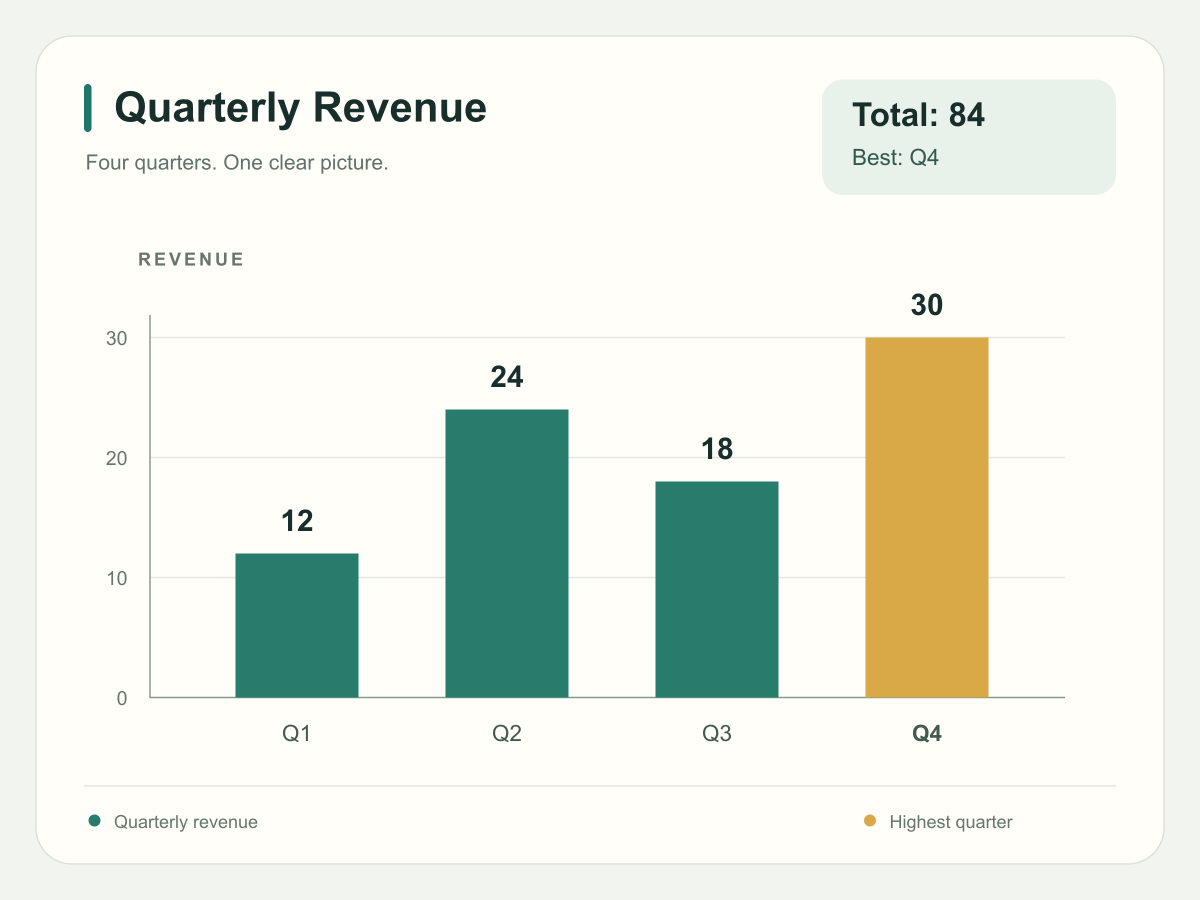
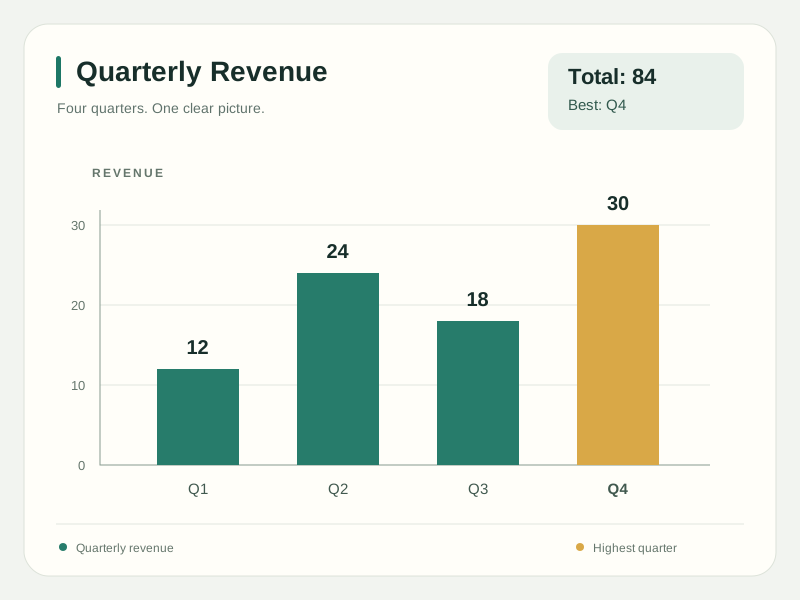
Image comparison: five correct changes
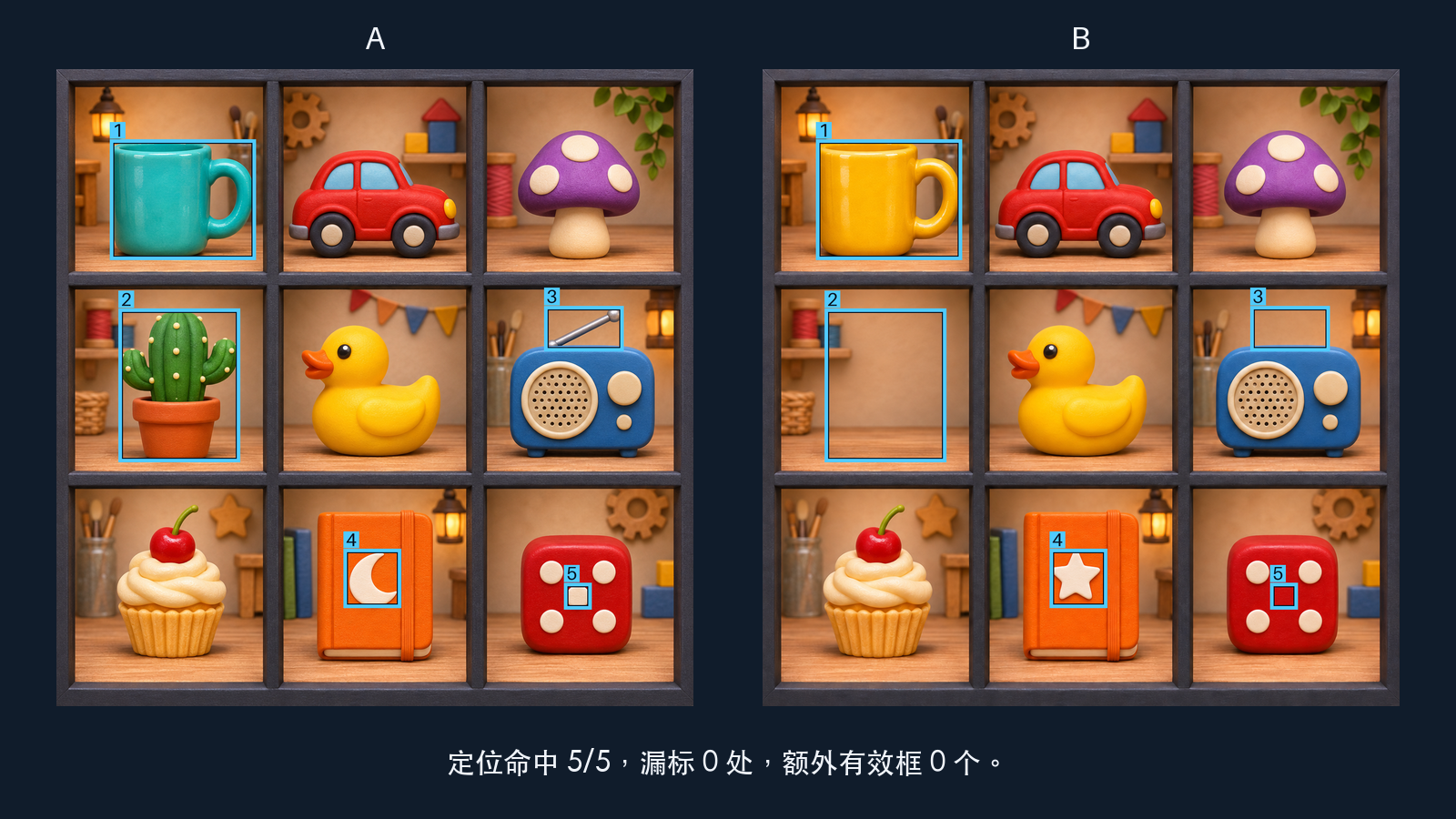
Astra identified the teal mug turning yellow, the cactus disappearing, the radio antenna disappearing, the notebook’s crescent becoming a star and the die changing from five dots to four.
Its JSON contains Chinese descriptions and bounding boxes. All five locations and all five directions match, with no missing or extra changes. The die’s box targets the disappearing central white dot.
Model specifications and API pricing
As checked on November 17, 2026, the OpenAI model documentation lists a 1,050,000-token context window, 128,000 maximum output tokens, image input and reasoning effort from low through max.
Standard API rates per million tokens are $10 input, $1 cached input and $50 output. Above 272K input tokens, the full request uses 2× input/cache rates and 1.5× output rates. The artifacts here were created in Codex.
What this run shows
Astra is effective here at turning explicit requirements into clear, functional deliveries. The checklist works, the chart is quantitatively correct and image comparison produces precise locations. Its readable 3D forms and coordinated colors suit first versions of product concepts and interactive prototypes.
The next refinements are concrete: richer internal structure in the handheld, more depth in the underwater environment and earlier access to mobile controls. Each follows directly from the existing work.
Sources
OpenAI: GPT-6 Astra launch, evaluations and examples
OpenAI: GPT-6 Astra specifications and API pricing
Task checks, recorded usage and original-file hashes · GPT-6 Astra model page