Kimi K3.1 preview: an official 24-second teaser reveals the model name
Watch Kimi's full 1080p teaser and key frames: the K3.1 model label, high thinking setting and Three.js prompt, with a clear boundary between official visuals and unverified capabilities.
Updated: 2026-10-23
Kimi K3.1 has appeared in Kimi's own promotional video. On October 23, the official @Kimi_Moonshot account posted a clip of roughly 24 seconds: a retro computer opens on Kimi Code, with K3.1 named in the terminal, before cutting through a rapid montage of 3D imagery.
This is a concrete prelaunch signal. The post contains no explanatory text, however, and gives no launch date. Reading it as a sign that a release is approaching is an editorial interpretation; public availability still needs an official announcement. Original official post ↗
Watch the complete official teaser
Source: Kimi / Moonshot AI · original 1080p MP4, approximately 24 seconds · official promotional material. Download video
The most useful detail is in the opening terminal
The model field names Kimi K3.1, and the bottom status bar shows a high thinking setting. The command asks for a complex procedural scene in Three.js. Together, these visible details place the teaser in an AI coding workflow, rather than establishing a new native image-generation endpoint.
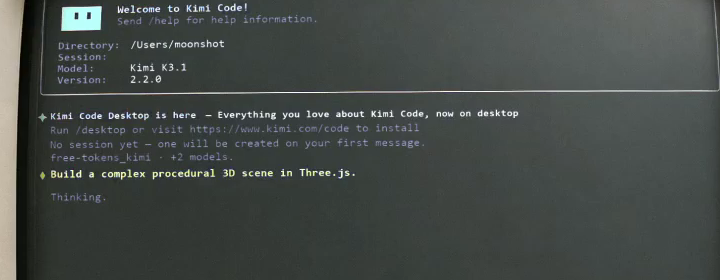
Build a complex procedural 3D scene in Three.js.
The visible prompt describes code-driven 3D scene construction. A high setting on one screen does not establish the final reasoning controls, defaults, token budgets or availability of K3.1's API.
From branching forms to architectural detail
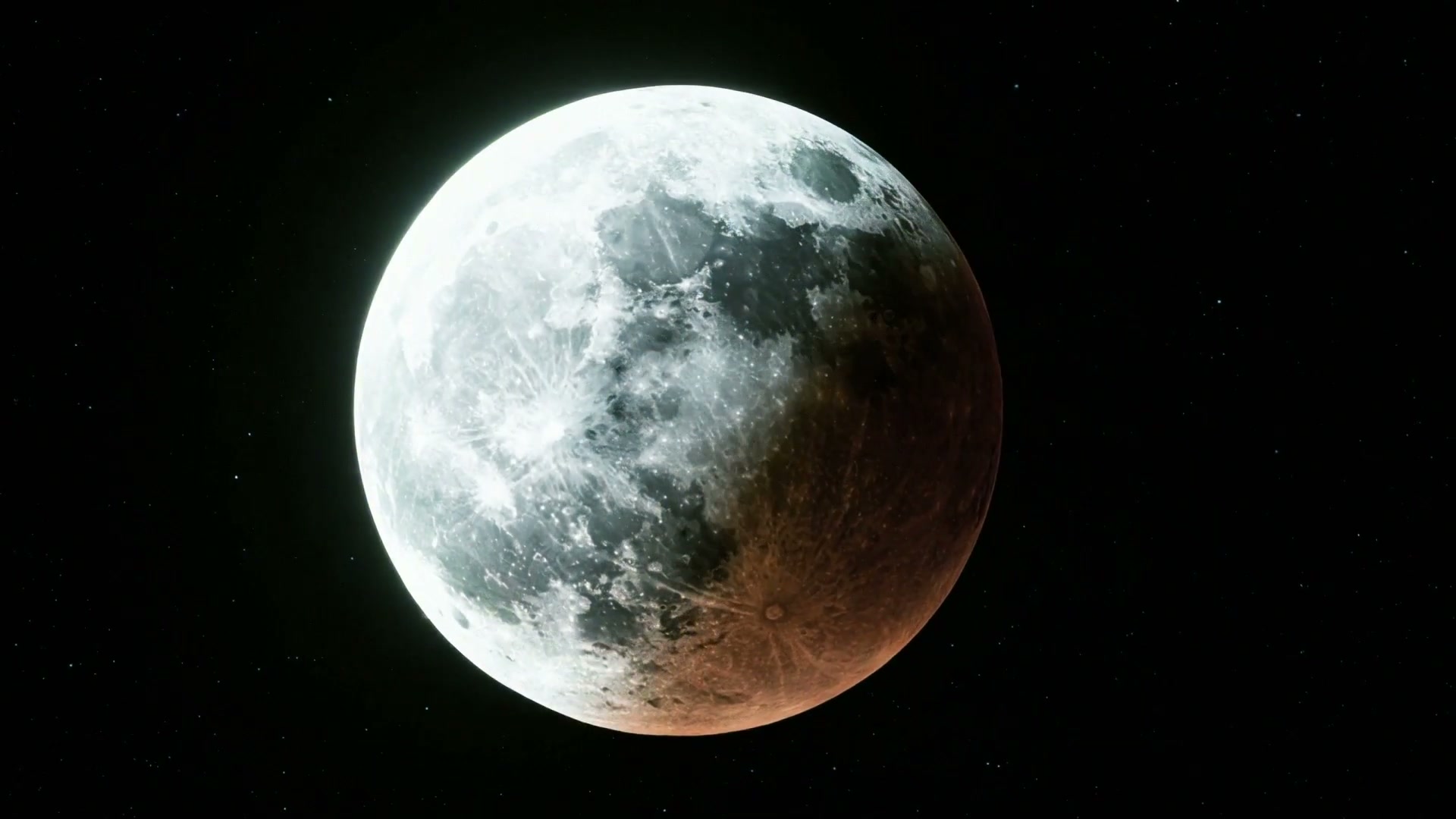
After the terminal, the clip switches quickly between natural forms, architectural drawings, mechanical structures, translucent surfaces and particle-like scenes. The four frames below show how varied the visual vocabulary is. Click any image to inspect the original-size frame.
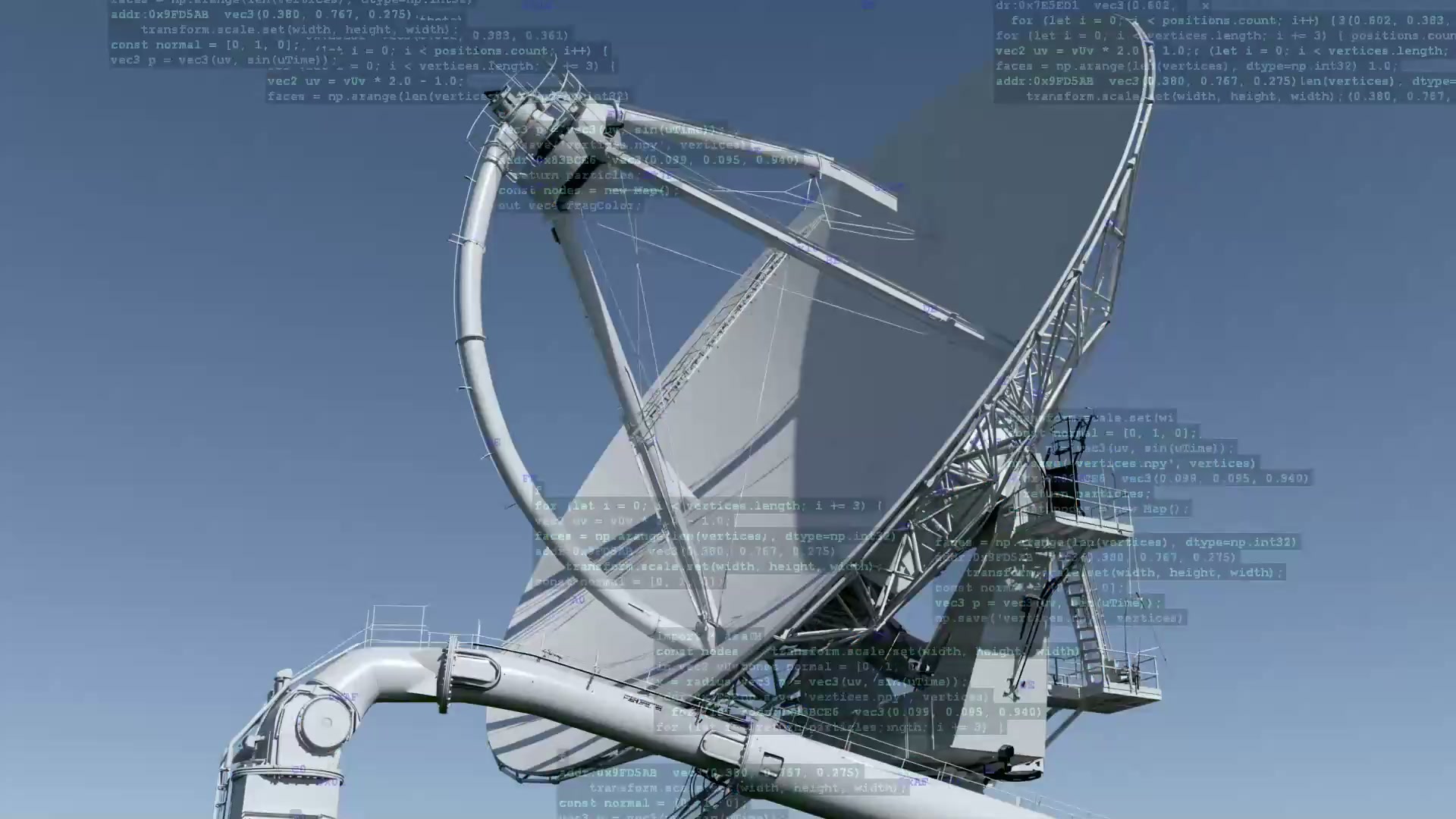
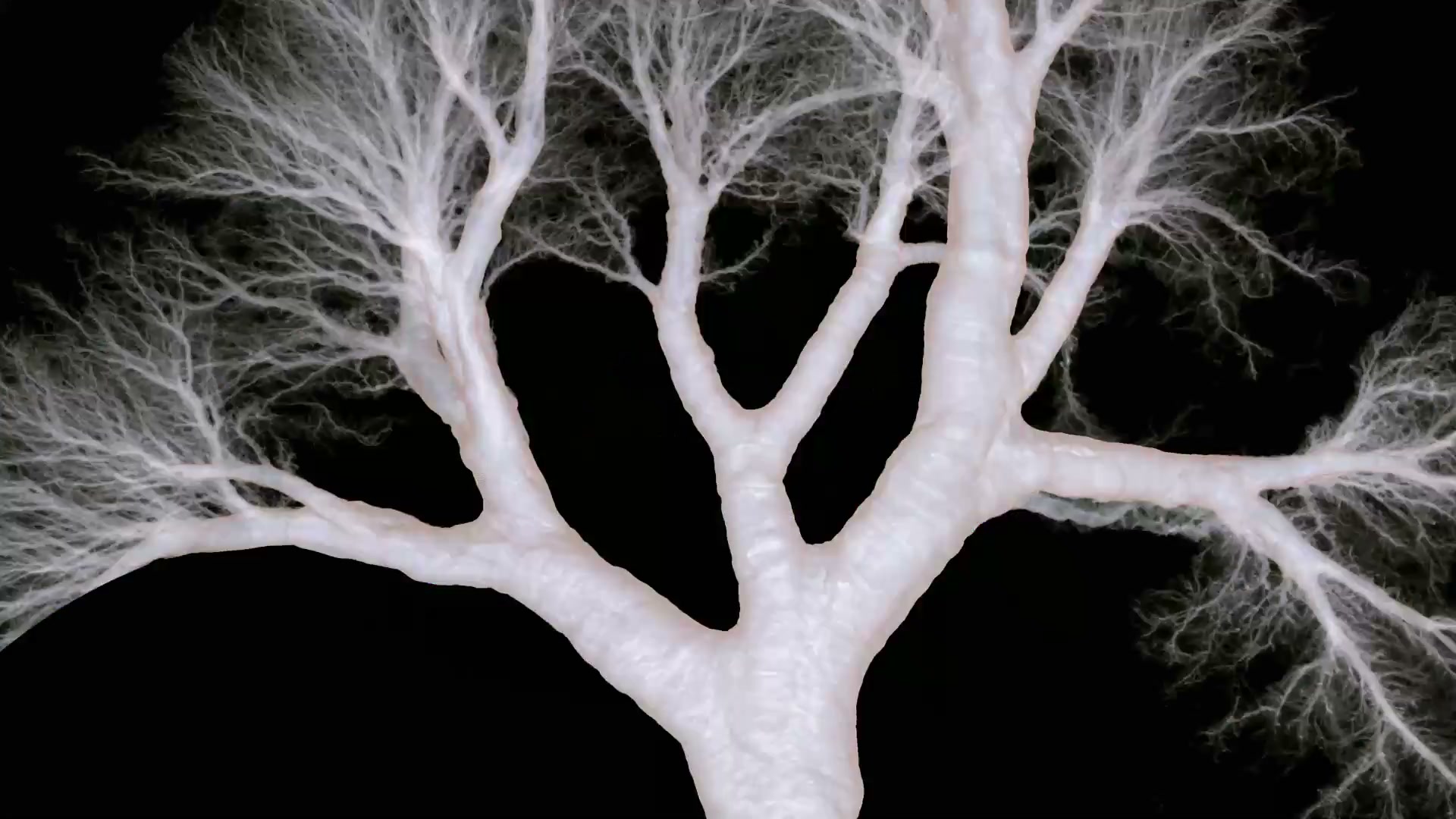
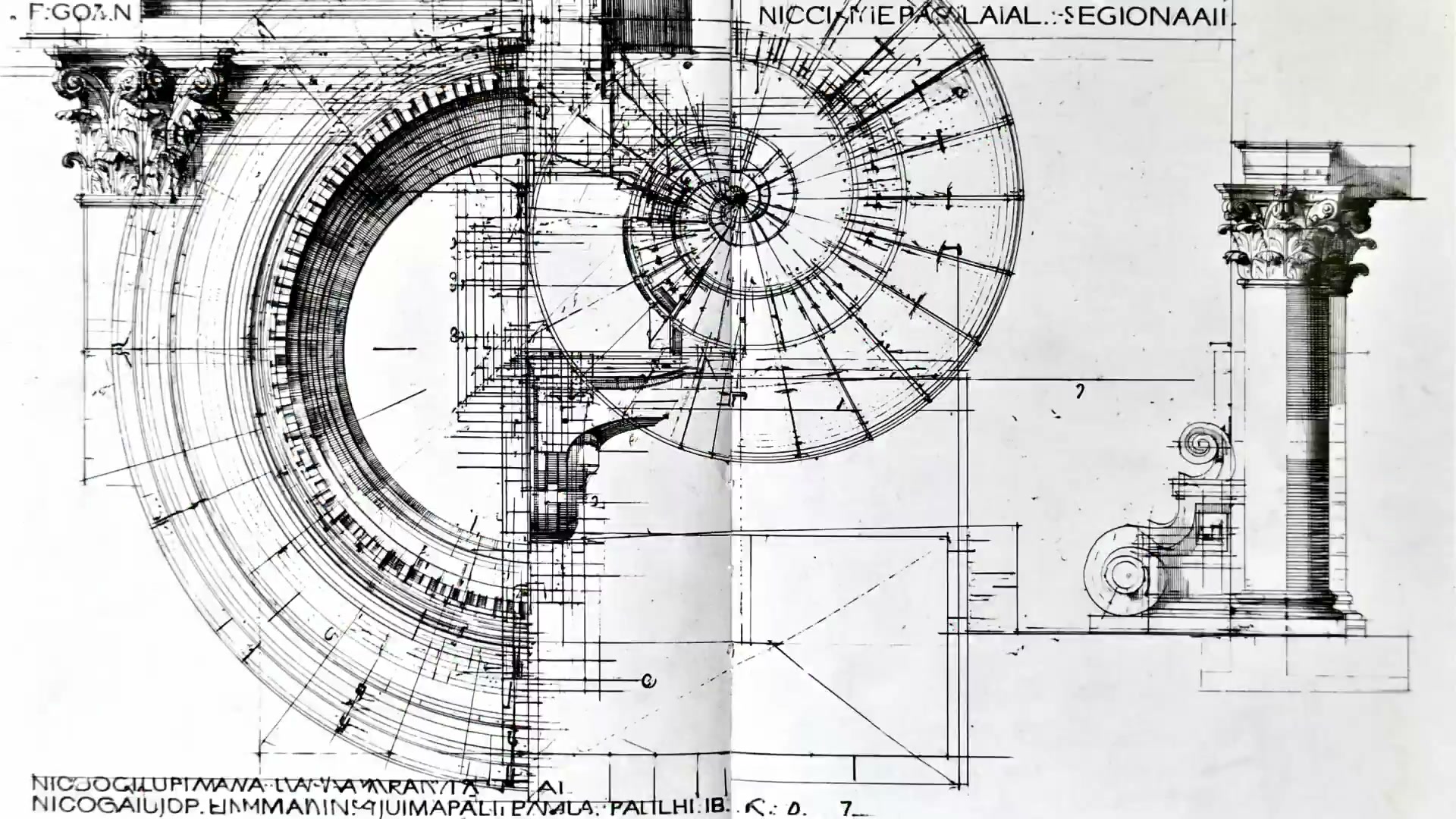
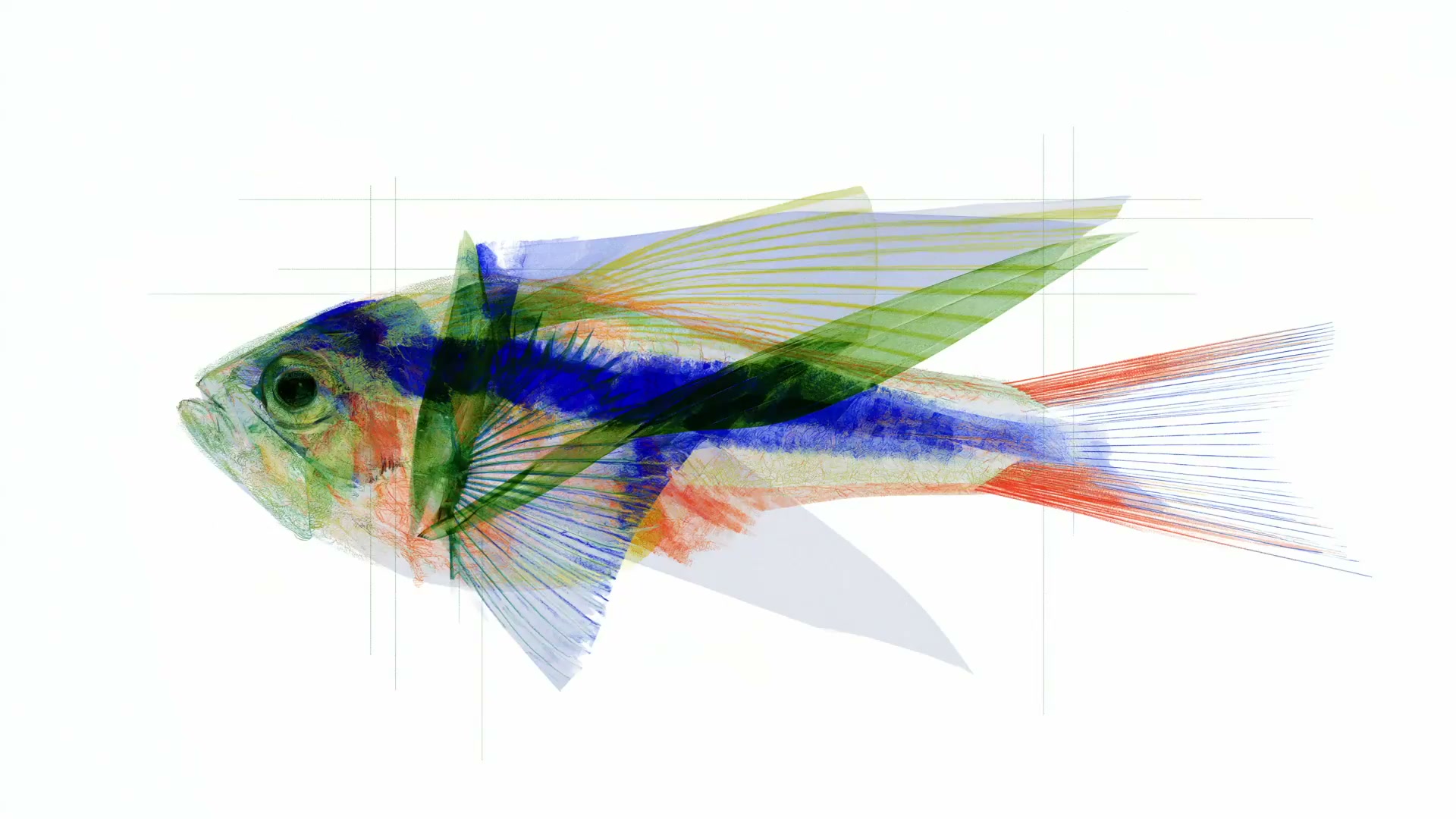
These are frames from an edited official promotion. The clip does not expose the complete prompts, source projects, dependencies, generation time or number of revisions for each scene. It therefore cannot establish that every shot was produced in one attempt by K3.1, or that a viewer can reproduce it from the opening prompt alone.
What this suggests about the coding direction
Our reading is that the teaser puts creative coding in the foreground: turning an idea into geometry, materials, lighting and motion that can be inspected on screen. For a developer building a product demo, an interactive explainer or a visual prototype, the useful question is whether the model can make a coherent scene and then reliably change it on request.
A finished render is only one part of that story. Reproducible source, correct behavior, stable animation, manageable dependencies and the time spent fixing failures matter just as much. The teaser makes the direction interesting; those questions need actual tasks after access is documented.
Confirmed here, and still awaiting details
| Item | Evidence as checked on October 23 |
|---|---|
| Model name | Kimi K3.1 appears in the official video. |
| Product surface | The opening shows Kimi Code and a high thinking setting. |
| Task on screen | A request to build a procedural 3D scene in Three.js. |
| Launch date / access | No date or public-access instructions in the teaser or the official pages checked for this article. |
| API / price / weights | No K3.1-specific specification established by these sources. |
| Independent results | No TOKRACE K3.1 API test or benchmark in this article. |
At the time of this check, the official Kimi Code page and news index still presented K3. That is a dated observation of those pages, not proof that no other access exists. The teaser itself does not justify copying K3's context size, price or benchmark scores into a K3.1 specification.
The next evidence that would matter
- Exact model identity and access: the official model ID, supported products, API instructions and release conditions.
- Reproducible coding: complete prompts and source, first-attempt success, retained failures and behavior after requested edits.
- Time and cost: first visible output, total completion time, thinking settings and billed usage under comparable conditions.
For examples of how TOKRACE separates original task evidence from official demonstrations, see the DeepSeek V4.1 Flash 1017 and MiniMax M3.1 Flash reviews.
Sources and attribution
Kimi official X post · October 23, 2026, 09:41 Beijing time. Original post and media metadata retrieved via FxTwitter; all video and frame content is credited to Kimi / Moonshot AI.
Kimi Code · Official Kimi news · Checked October 23, 2026. Screenshots were extracted from the downloaded official video; the terminal detail is a crop. This article is a source-based preview with TOKRACE commentary.